Northern Ireland is undergoing a quiet energy revolution. For decades, homes and businesses have relied heavily on fossil fuels—particularly heating oil, which still powers the majority of households, especially in rural areas (). But with rising energy costs, climate targets, and improved technology, solar and its complementary alternatives are now leading the transition toward a cleaner, more resilient energy future.
In this guide, we explore the best solar-based and solar-compatible alternatives to fossil fuels in Northern Ireland—and how they can work together to create a low-carbon, cost-efficient energy system.
Why Move Beyond Fossil Fuels in Northern Ireland?
Northern Ireland has historically depended on imported fossil fuels like oil, coal, and gas (). However, this model is becoming increasingly unsustainable due to:
- Rising and volatile energy prices
- Carbon reduction targets (80% renewable electricity by 2030) ()
- Environmental concerns and net-zero commitments
Solar energy, combined with other renewable technologies, offers a practical pathway away from this dependency.
1. Solar Photovoltaic (PV) Systems: The Foundation
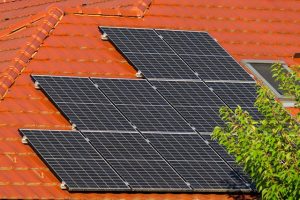
Solar PV panels are the most accessible and widely adopted renewable solution in Northern Ireland. Despite the region’s reputation for cloudy weather, modern systems perform exceptionally well.
- Northern Ireland receives 85–90% of the solar radiation of southern England ()
- Rooftop solar could generate up to 185% of annual electricity demand if widely deployed ()
- A typical home can save hundreds of pounds annually on energy bills ()
Why it works:
Solar panels generate electricity during daylight hours, reducing reliance on grid electricity (often produced using gas). They are especially effective when paired with other technologies below.
2. Solar Battery Storage: Maximising Solar Potential
One of the biggest challenges with solar in Northern Ireland is seasonal imbalance—long summer days vs shorter winter production ().
Battery storage solves this by:
- Storing excess daytime energy for evening use
- Reducing reliance on grid electricity during peak pricing
- Providing backup during outages
When combined with solar PV, batteries significantly increase energy independence and efficiency.
3. Heat Pumps: Replacing Oil and Gas Heating
Heating is one of the largest sources of fossil fuel use in Northern Ireland, particularly oil.
Air source and ground source heat pumps are among the best alternatives:
- They use electricity (which can be generated by solar)
- Deliver 3–4 units of heat per unit of electricity
- Can reduce household carbon emissions by up to 70–80% when paired with solar ()
Why it matters:
Switching from oil boilers to heat pumps is one of the most impactful steps homeowners can take.
4. Solar Thermal Systems: Hot Water from the Sun
While PV panels generate electricity, solar thermal systems directly heat water.
Benefits include:
- Lower installation cost than full PV systems
- Significant savings on hot water heating
- Ideal for homes with high hot water demand
They can be used alongside existing heating systems or integrated into hybrid setups.
5. Wind Energy (Microgeneration): A Strong Local Complement
While this article focuses on solar, wind energy deserves mention—especially in Northern Ireland.
- Wind is currently the backbone of renewable electricity in NI ()
- Small-scale turbines can complement solar, particularly in winter months when solar output is lower
Solar + Wind hybrid systems provide a more consistent year-round renewable supply.
6. Biomass and Biogas: Sustainable Fuel Alternatives
Biomass (wood pellets, chips) and biogas (from organic waste) offer renewable heating options:
- Useful for rural properties and farms
- Can replace oil or LPG boilers
- Often used in commercial or agricultural settings
These systems are particularly valuable where electrification is more difficult.
7. Smart Energy Systems & EV Integration
The future of energy in Northern Ireland is not just about generation—it’s about smart usage.
Modern solar setups can integrate with:
- Electric vehicles (EVs)
- Smart meters and time-of-use tariffs
- Home energy management systems
This allows households to:
- Charge EVs using solar energy
- Shift energy use to cheaper, greener periods
- Optimise overall consumption
Real-World Momentum in Northern Ireland
Solar adoption is accelerating across the region. For example:
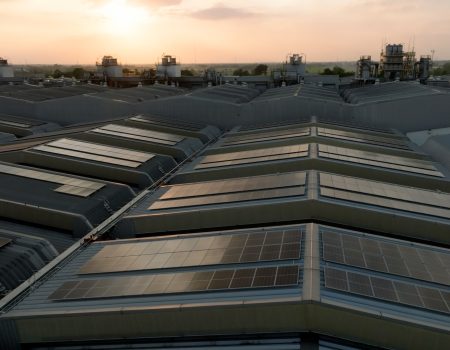
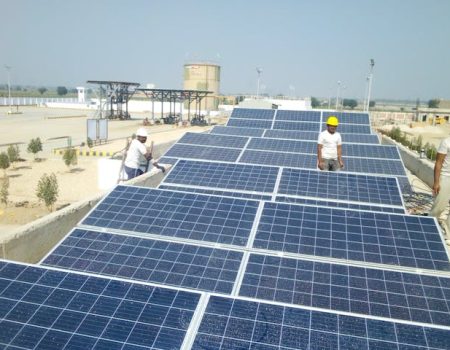
- Nearly 5,000 solar panels installed across NI Water sites
- Generating enough power for 800+ homes while cutting emissions ()
At the same time, the solar sector is expected to contribute hundreds of millions to the local economy by 2030 ().
The Best Solar Alternative Strategy: A Hybrid Approach
No single technology replaces fossil fuels entirely. The most effective solution is a hybrid renewable system, combining:
- Solar PV (primary electricity generation)
- Battery storage (energy flexibility)
- Heat pumps (low-carbon heating)
- Optional wind or biomass (seasonal balance)
This integrated approach ensures:
- Lower energy bills
- Reduced carbon footprint
- Greater energy independence
Final Thoughts
Northern Ireland is uniquely positioned to benefit from solar and its complementary technologies. Even in a cooler, cloudier climate, solar energy is not just viable—it’s essential.
As technology improves and adoption increases, solar-led systems will play a central role in replacing fossil fuels across homes, farms, and businesses.
For homeowners and organisations alike, the question is no longer “Does solar work in Northern Ireland?”—but rather “How soon can I make the switch?”
Interested in installing solar in Northern Ireland? Visit solar-ni.com to explore your options, get quotes, and start your journey toward energy independence.